What is a Brand Portal? A Comprehensive Guide
Looking for the best brand portals for your growth company? This article covers the top 5 brand portals that will help take your team to organize and share brand assets.
Focal team
1. Introduction
In today's digital age, where the number of brand touchpoints is rapidly increasing, it has become more challenging for companies to manage their brand identity effectively. Brands need to ensure that all marketing and branding materials align with the brand's core values, mission, and vision. It is where a brand portal comes into play.
A brand portal is a centralized platform that houses all of a company's branding assets, including brand guidelines, logos, images, videos, and other marketing materials. The portal provides a single source of truth for all stakeholders involved in the branding process, ensuring that the brand remains consistent across all channels.
2. What is a Brand Portal?
A brand portal is a cloud-based platform that enables companies to store, manage, and distribute their brand assets. It is a central hub for all things branding, providing a single source of truth for all stakeholders involved in the branding process. The portal typically contains brand guidelines, logos, images, videos, and other marketing materials that are essential to maintaining brand consistency.
3. Why Use a Brand Portal?
A brand portal offers numerous benefits to companies of all sizes, including:
Ensuring brand consistency: By centralizing all brand assets and guidelines in one place, a brand portal ensures that all stakeholders are on the same page when it comes to brand identity and messaging.
Improving collaboration: A brand portal allows all stakeholders to access the same assets and collaborate in real-time, regardless of their location.
Saving time and money: With a brand portal, companies no longer need to waste time searching for the latest brand assets or creating new ones from scratch. The portal ensures that all stakeholders have access to the most up-to-date materials, reducing duplication of effort and saving time and money.
4. Key Features of a Brand Portal
A brand portal typically includes the following key features:
4.1 Brand Guidelines
Brand guidelines are a set of rules and guidelines that govern how a brand should be presented across all channels. They typically include details on the brand's core values, mission, and vision, as well as guidelines on how to use the brand's logo, fonts, colors, and other visual elements.
A brand portal typically includes a comprehensive brand guidelines document, which serves as a reference point for all stakeholders involved in the branding process.
4.2 Asset Management
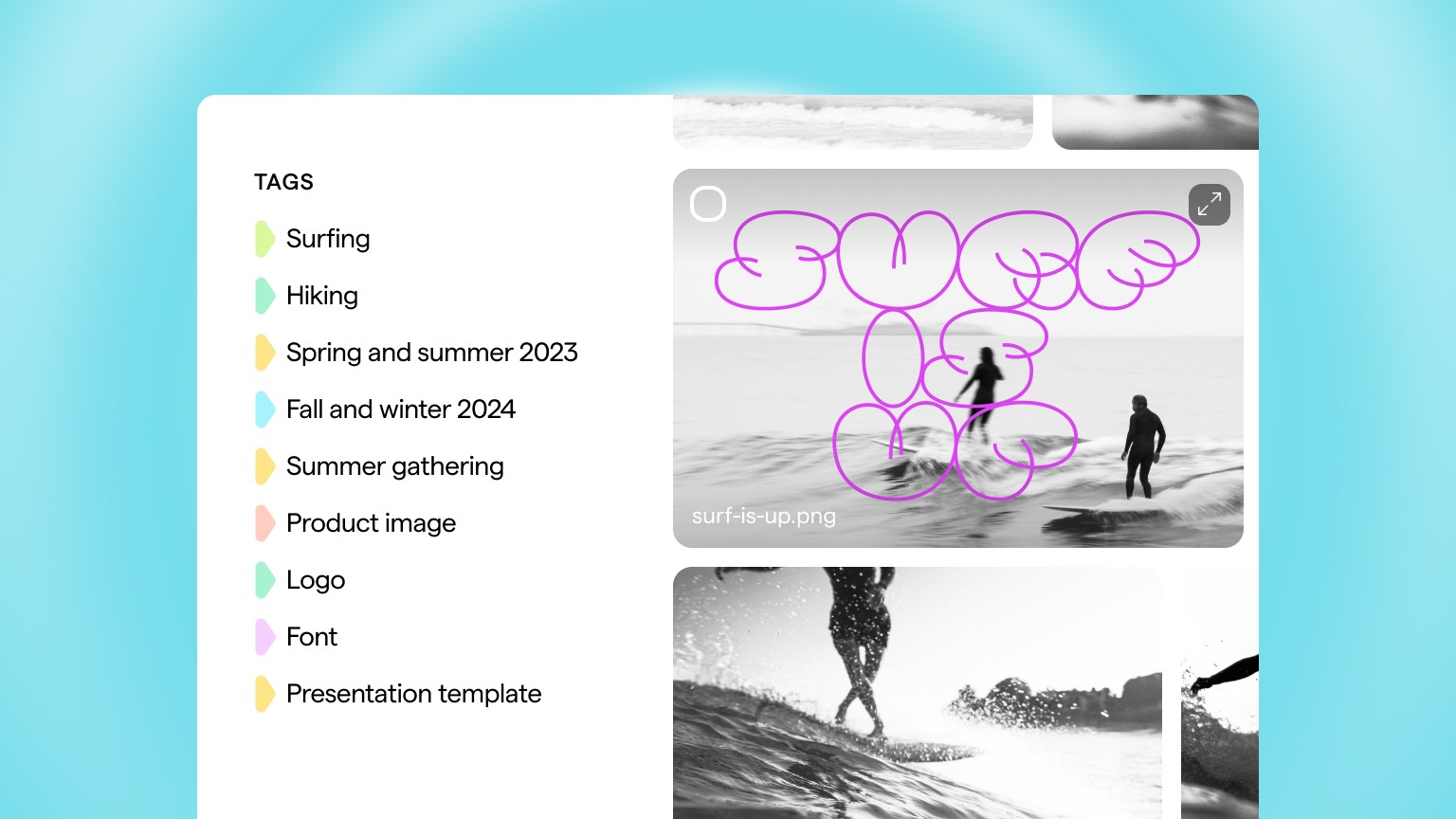
A brand portal allows companies to store and manage all of their brand assets, including logos, images, videos, and other marketing materials. The portal ensures that all stakeholders have access to the most up-to-date materials and can quickly and easily search for and download the assets they need.
4.3 Collaboration Tools
A brand portal provides collaboration tools that allow all stakeholders to work together in real-time. These tools can include commenting features, version control, and task management, which make it easier for teams to collaborate on branding projects.
5. Best Practices for Brand Portal Implementation
When implementing a brand portal, companies should follow these best practices:
5.1 Define Your Goals and Objectives
Before implementing a brand portal, companies should define their goals and objectives. They should ask themselves what they hope to achieve with the portal, such as improving brand consistency or streamlining the branding process.
5.2 Choose the Right Platform
Choosing the right brand portal platform is essential. Companies should look for a platform that is easy to use, customizable, and can integrate with their existing systems.
5.3 Create a Comprehensive Brand Guidelines Document
A comprehensive brand guidelines document is critical to the success of a brand portal. This document should include all the rules and guidelines that govern how the brand should be presented across all channels.
5.4 Involve All Stakeholders in the Implementation Process
Finally, it's essential to involve all stakeholders in the implementation process. This includes everyone from the marketing team to external agencies and partners. By involving everyone in the process, companies can ensure that the portal meets the needs of all stakeholders.
6. Conclusion
In conclusion, a brand portal is a centralized platform that enables companies to manage their brand assets, collaborate with stakeholders, and ensure brand consistency across all channels. By following best practices for implementation and utilizing the key features of a brand portal, companies can improve their branding efforts and achieve their business objectives.
7. FAQs
Who can benefit from using a brand portal?
Any company that needs to maintain brand consistency and manage branding assets can benefit from using a brand portal.
How can a brand portal help improve collaboration?
By providing collaboration tools such as commenting features and version control, a brand portal makes it easier for teams to work together in real-time, regardless of their location.
What are some of the key features of a brand portal?
A brand portal typically includes brand guidelines, asset management, collaboration tools, and analytics and reporting features.
How can a brand portal help companies save time and money?
By providing a single source of truth for all branding assets and guidelines, a brand portal reduces duplication of effort and ensures that all stakeholders have access to the most up-to-date materials.
What should companies consider when choosing a brand portal platform?
Companies should look for a platform that is easy to use, customizable, and can integrate with their existing systems. It's also essential to involve all stakeholders in the decision-making process.