What is creative asset management? A 2026 guide
Creative asset management is how performance teams organize, find and connect their ad creatives to results. Here's what it means and what to look for.
What is creative asset management (the short answer)
Creative asset management is the practice of organizing, storing, and distributing the creative files a team produces for marketing and advertising including ad videos, statics, UGC, audio, and related production files in a way that's searchable, structured, and connected to the workflows that use them. For performance advertising teams, it also means connecting those assets to performance data and automating delivery to paid channels like Meta and TikTok.
Why creative asset management matters?
If your team produces ad creative at any kind of volume, you already have a creative asset management problem. The question is whether you have a system for it or you're just hoping the right file is where you left it.
Most teams default to the same setup: a shared Drive or Dropbox for storage, Slack for sending assets around, and a spreadsheet somewhere tracking what's in production. It works until it doesn't, usually right at the critical moment when the team grows, a second agency comes on board, or someone searches for a video from last quarter and realizes no one knows where it is.
Creative asset management is what replaces that setup with something that actually holds together at scale.
What creative asset management is (the detailed answer)
Creative asset management is the practice of systematically organizing, tagging, finding, and distributing the creative files a team produces.
The creative assets in question are the files that go into and come out of the creative production process: ad videos, static images, UGC clips, audio files, motion graphics, raw footage, and the production versions that lead to final deliverables. For a performance advertising team, these are the files that eventually run on Meta, TikTok, YouTube, and other paid channels.
At its most basic, creative asset management means having a searchable library where people can find what they need without messaging someone or digging through nested folders. At its most useful, it means those assets are tagged automatically, connected to the workflows that brief, review, and approve them, and tied to the performance data that tells the team what worked.
How creative asset management differs from digital asset management
The terms are related but not interchangeable.
Digital asset management (DAM) is a software category. DAM platforms handle any digital files a business needs to store and distribute, including brand guidelines, logos, product photography, documents, and marketing materials across the organization.
Creative asset management is the process of managing the files produced for creative work, with a focus on the production workflow that generates them and the channels they're delivered to.
For a large enterprise, the DAM might be used by legal, HR, and brand teams to manage everything from contracts to brand guidelines.
A Performance DAM is used by performance teams to do their creative asset management. They are built around the creative production workflow specifically, rather than generic file storage. The distinction matters when evaluating tools.
What a creative asset management system should cover
Most DAM platforms used for creative asset management only cover parts of the management process. For performance advertising teams, here's what actually matters.
1. Searchable by content, not just filename
If finding an asset requires knowing what it was named, the system breaks the moment anyone uploads a file with a name that doesn't match the convention (which is always). A platform used for creative asset management should tag assets automatically based on what's in them: visual elements, themes, format, ad type. Search by "UGC video, lifestyle, female lead" and get the asset, not a list of filenames to guess from.
Automatic tagging also takes the pressure off naming conventions, which drift the moment volume grows.
2. Connected to performance data
Being able to tell which creative assets performed is half the job. The whole performance marketing org, designers, Creative Strategists, and media buyers, should be able to see what went live and what the results were without pulling a manual report from the ad platform. That visibility is what turns a library of files into a compounding library of learning.
3. Workflow from brief to approval
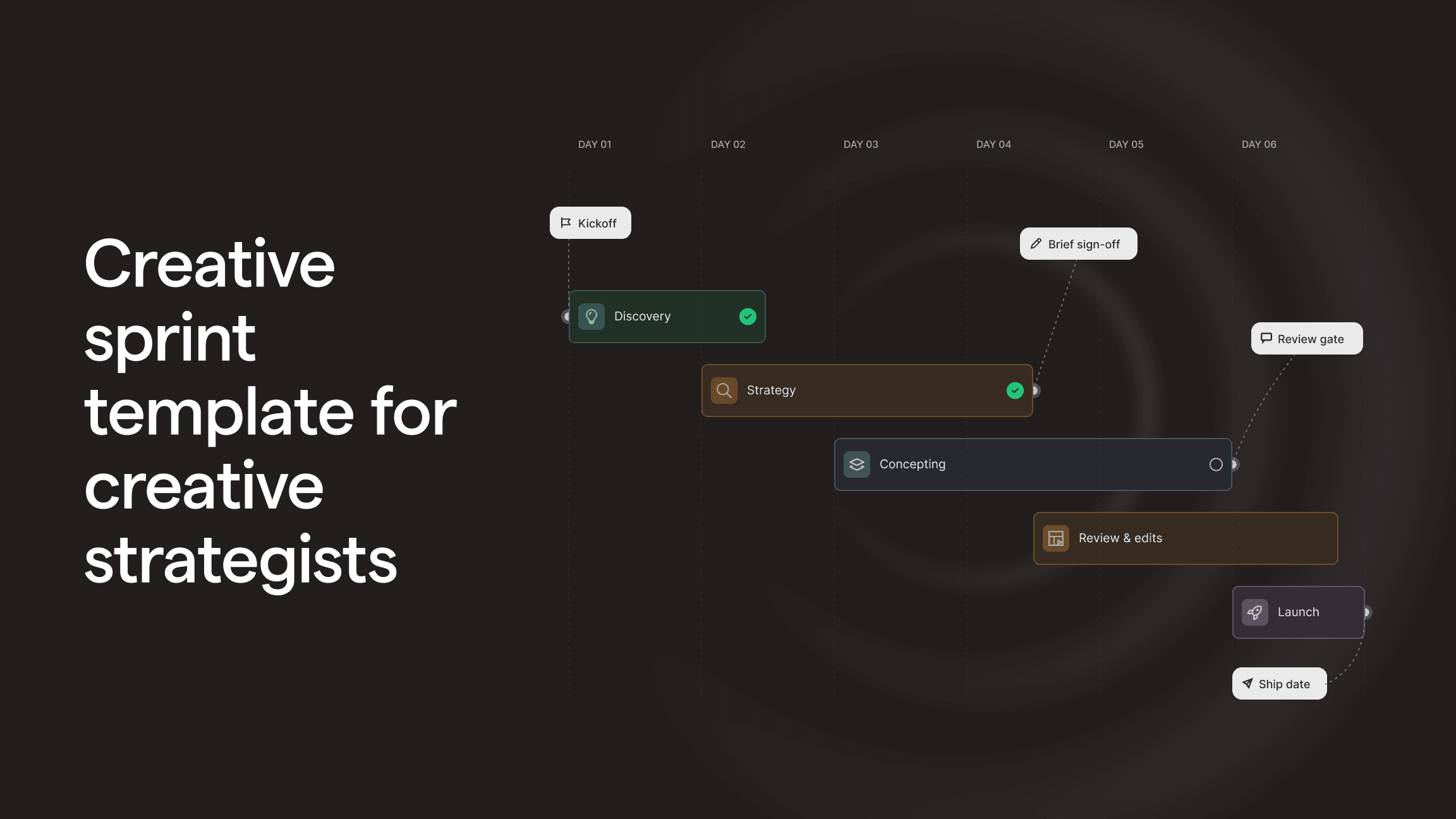
Assets don't appear in a library from nowhere. They start as briefs, go through production with agencies or internal designers, and need review and approval before they're usable. A DAM system that covers only storage forces teams to manage the workflow somewhere else (usually Asana, Slack, and three spreadsheets). The workflow should live in the same place as the files for the creative asset management process to be optimal.
Reviewing videos and statics is easy in Focal thanks to frame-by-frame annotations and comments, and with assets placed directly with the project management tasks.
4. Direct delivery to ad channels
Approved assets need to get to Meta, TikTok, and YouTube. In most creative teams today, that means someone downloads the file, renames it to match the platform's naming convention, and manually uploads it. A DAM system with native channel integrations removes that step entirely — assets push directly to the ad platform, naming conventions apply automatically.
For more on the best Digital Asset Management platforms for different types of marketing team, see our recommendation guide.
Signs your performance team needs a modern DAM platform for their creative asset management

A shared Drive and a naming convention can hold a small team together. The signs that you've outgrown that include:
You can't find assets from last quarter: The files exist somewhere, probably in a folder no one is maintaining. Finding them requires messaging the person who worked on that campaign.
Multiple agencies, no single source of truth: Each agency sends assets a different way. One uses WeTransfer, one emails a link, one has its own Dropbox share. The "library" is a collection of inboxes and expired links.
Naming conventions are aspirational: The system exists. People don't follow it. Reporting breaks because filters don't work when naming is inconsistent.
The team doesn't know what went live: Designers hand off files, media buyers upload some of them, and no one in the room has a clear picture of what's running. Learning from what worked requires manual legwork that rarely happens.
Every sprint starts from scratch: New brief, new assets, no institutional memory of what was tested. The creative knowledge from six months of production lives in someone's head, not in a system.
If more than two of these describe the current state, the problem is the system, not the team.
What should performance teams look for when evaluating DAM platforms for creative asset management?
The category is crowded with tools that solve one part of the problem. The questions worth asking when evaluating tools are:
Does it tag assets automatically, or does tagging require manual work?
Can the whole team see what's live and what's performing — without a separate analytics platform?
Does it cover the full workflow (briefing, production, review, approval) or just storage?
Does it connect directly to Meta, TikTok, YouTube, and other paid channels?
Can external agencies work in it without accessing everything?
A platform that covers all five reduces the number of tools the team needs, removes the manual handoffs between them, and builds a library that gets more useful with every sprint rather than just bigger.
See how Focal approaches creative asset management.'
FAQ
What is creative asset management?
Creative asset management is the practice of organizing, tagging, finding, and distributing the creative files a team produces for advertising, such as ad videos, statics, UGC, and the production files behind them. For performance advertising teams it goes further than storage, connecting each asset to the briefing and approval workflow and to the performance data that shows what worked. The goal is a searchable library that gets more useful over time, not just bigger.
How is creative asset management different from digital asset management (DAM)?
DAM is the broad software category for storing and distributing any business files, including logos, brand guidelines, and documents across a whole organisation. Creative asset management is the narrower job of managing ad creative through its production lifecycle, from brief to launch to performance. A DAM built for performance advertising does creative asset management specifically, organized around how ad creative is made rather than generic file storage.
What should creative asset management software do?
Good creative asset management software tags assets automatically by what's in them so they're searchable without relying on filenames, connects performance data to each asset, covers the full workflow from brief to approval, and delivers approved creatives directly to channels like Meta and TikTok. It should also let external agencies submit and receive work without accessing everything. Covering all of this in one place is what removes the manual handoffs between separate tools.
When does a team need a creative asset management system?
The clearest signs are an inability to find assets from previous quarters, multiple agencies with no single source of truth, naming conventions that no one follows, and no visibility into which creatives went live or performed. If more than two of those describe your team, the constraint is the system rather than the people. High creative volume across multiple channels is usually the point where a shared Drive stops holding together.